

The Technology Behind Every Drop to Crop.
Discover how Samsons Farms utilizes localized weather stations and sub-surface soil sensors to guide automated farm scheduling and protect crops against climatic shifts.
Anticipating Weather Patterns Before They Arrive
Climate insights combine on-site meteorological tracking with deep soil telemetry to give agronomists a complete picture of local environmental conditions. At Samsons Farms, this data transforms unpredictable weather challenges into actionable intelligence enabling smart scheduling for irrigation, planting, and field protection.
Meteorological Stations & Soil Probes
On-Site Weather Stations
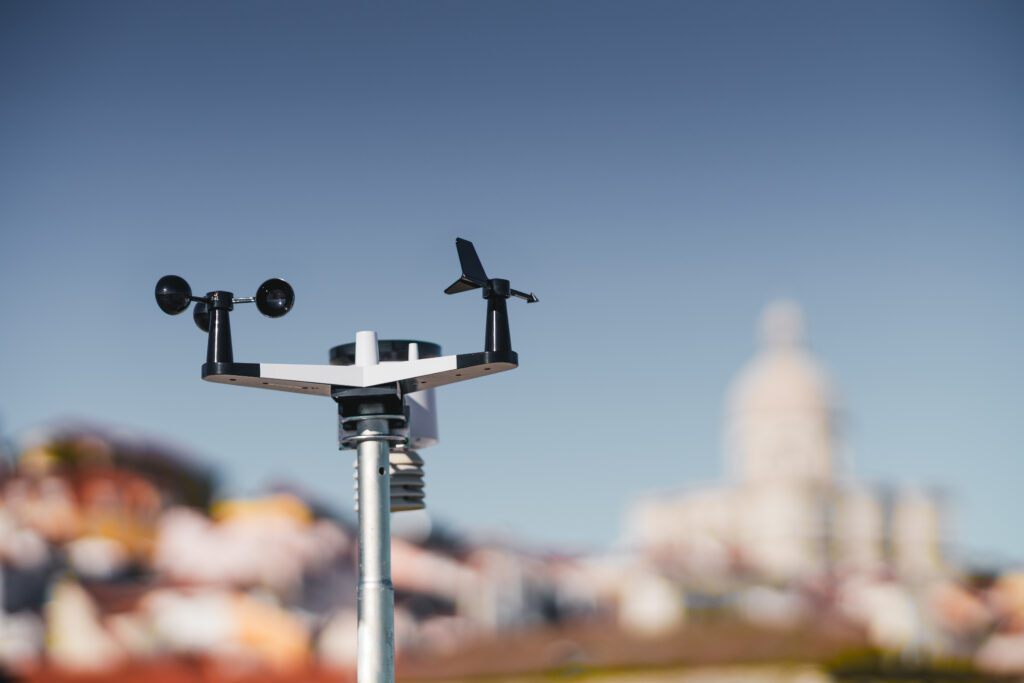
Dedicated meteorological towers track live temperature, wind speed, humidity, and rainfall directly across our cultivating zones.
Core Components: Local weather towers • Wind & rain telemetry • Temperature tracking
Sub-Surface Soil Sensors
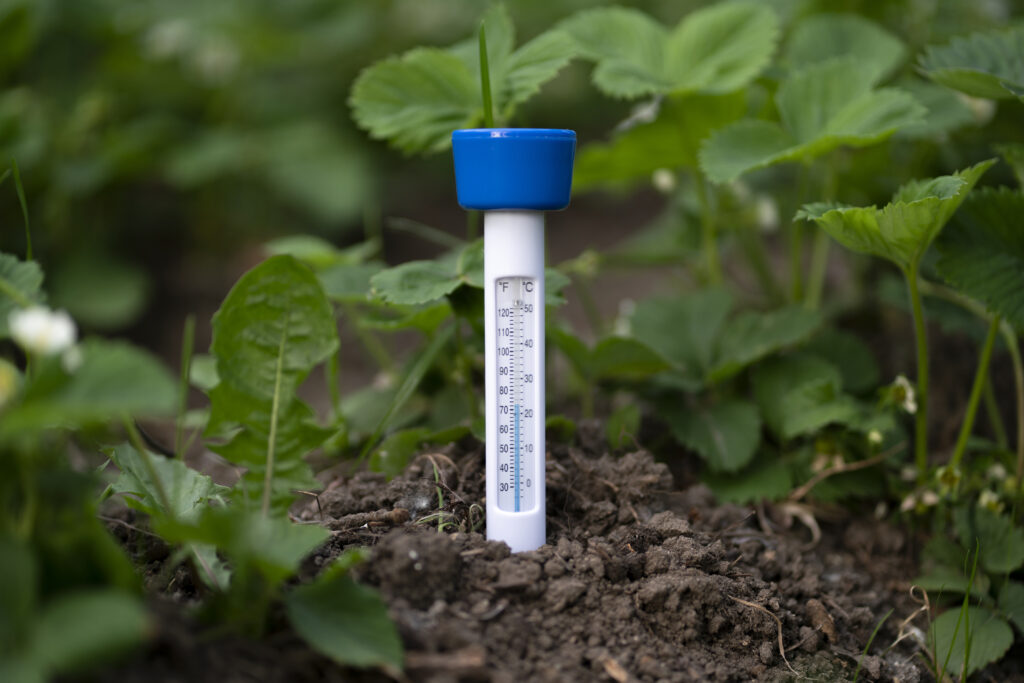
Smart underground probes continuously monitor moisture levels, soil temperature, and salinity at various root-zone depths.
Core Components: Root-zone moisture probes • Temperature monitors • Salinity sensors
Predictive Scheduling
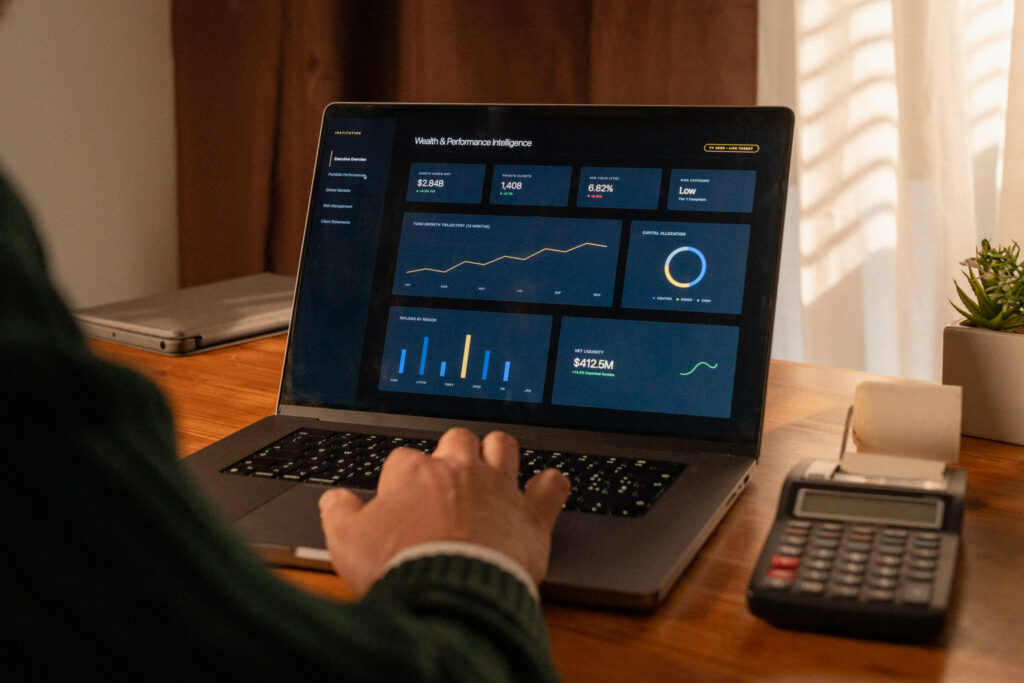
Advanced analytics process live climate data to generate automated operational alerts, helping teams adjust irrigation ahead of heatwaves or storms.
System Function: Automated weather alerts • Smart scheduling • Risk mitigation
The Climate Telemetry Lifecycle
Track
On-site weather stations and underground probes continuously capture real-time atmospheric and soil data.
Predict
Intelligent software models analyze incoming data trends to forecast localized weather impacts and water needs.
Adapt
Farm managers adjust irrigation and field operations proactively, keeping crops safe and resources fully optimized.
Frequently Asked Questions
Why are on-site weather stations better than regional weather forecasts?
Regional forecasts cover wide areas and often miss micro-climatic shifts. Our on-site weather stations provide hyper-local, exact readings for our specific desert farming environment.
What do sub-surface soil sensors measure?
They monitor moisture content, temperature, and salt levels directly within the crop root zones, ensuring irrigation matches actual underground needs.
How do climate insights protect crops from extreme weather?
By providing early warnings of sudden temperature spikes or heavy winds, our team can proactively adjust watering and protective measures before stress occurs.