


Balanced Grazing. Healthy Herds. Regenerative Land.
At Samsons Farms, our rotational grazing model integrates livestock management directly with crop cycles—ensuring animal welfare, enriching soil biology, and protecting natural pasture health.
Rotational Grazing in Action
Structured livestock movement prevents overgrazing and mimics natural herd migration patterns. By allowing pasture sectors adequate rest periods, we naturally fertilize the soil, stimulate deep root growth, and maximize forage resilience.
Systems Built for Sustainable Production
Managed Pasture Rotation
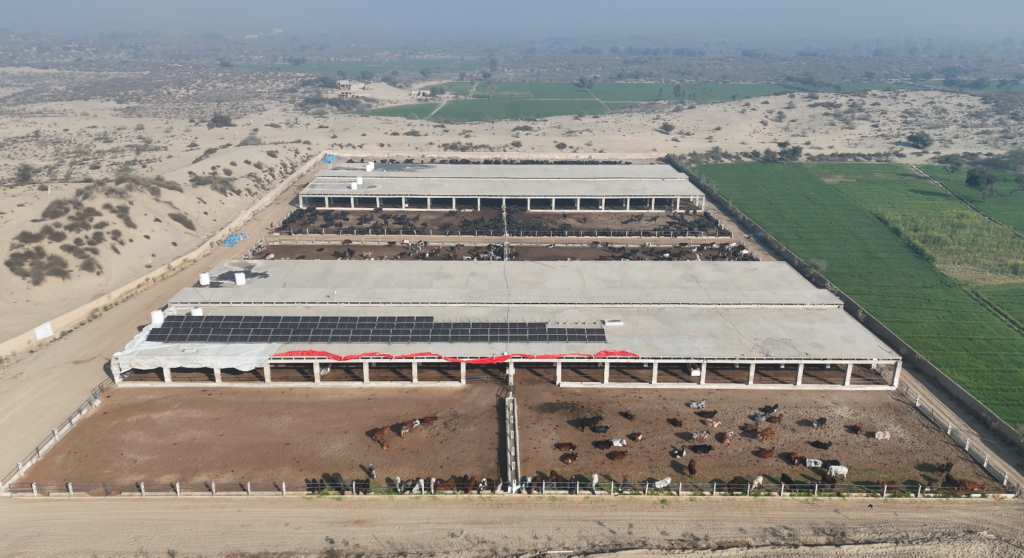
Herds are systematically rotated across designated paddock sectors, ensuring uniform foraging and giving native grasses critical recovery time.
Core Components:
Paddock division • Timed rotation • Forage monitoring
Natural Soil Fertilization
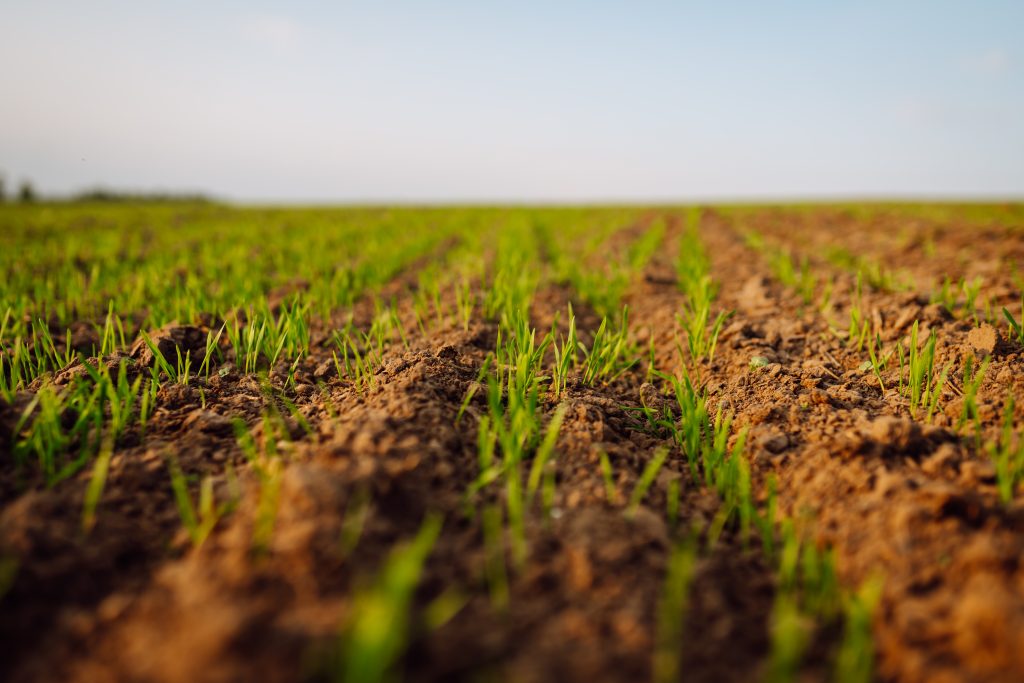
Livestock naturally enrich the land with organic nutrients during grazing cycles, reducing the need for synthetic fertilizers and building organic matter.
CORE COMPONENTS:
Natural nutrient cycle • Soil biology • Organic health
Herd Health & Welfare
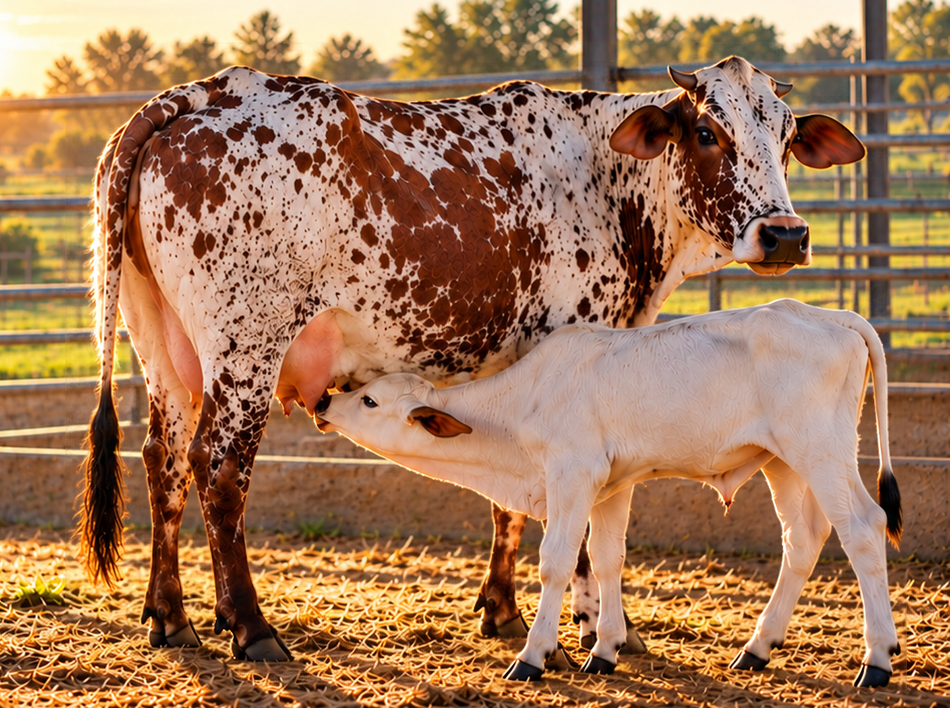
Continuous monitoring, clean water access, and stress-free handling practices ensure optimal livestock health, vitality, and high-quality production.
SYSTEM FUNCTION:
Water infrastructure • Welfare tracking • Health protocols
How It Works
Grazing
Livestock graze a specific paddock sector efficiently before over-consumption occurs.
Resting
Herds are moved to fresh pasture, leaving the previous sector undisturbed to recover and rebuild roots.
Regrowth
Natural rest and moisture yield lush, nutrient-dense forage ready for the next rotation cycle.
Frequently Asked Questions
What is rotational grazing and why is it used?
It involves moving livestock between fenced paddock sectors regularly. This prevents overgrazing, allows plants to recover, and builds healthy, carbon-rich soil.
How does rotational grazing benefit the soil?
By allowing pasture sectors designated rest periods between grazing cycles, manure breaks down naturally to build organic matter, root systems grow deeper, and soil biology thrives without heavy synthetic fertilizers.
How do livestock access clean water across different paddock sectors?
Our rotational layout incorporates a structured water infrastructure network, ensuring fresh, automated hydration points are accessible in every grazing zone.